
Ultrasound Machines: A Complete Guide for Healthcare Providers

Ultrasound machines are an important part of modern medical imaging. They allow healthcare providers to view structures inside the body in real time and are used across many medical specialties.
From hospitals and diagnostic imaging centres to outpatient clinics and specialty practices, an ultrasound machine can support a wide range of diagnostic and clinical applications.
However, choosing the right ultrasound system can be challenging. Different systems offer different features, imaging capabilities, portability, probes, software, and configurations. The right choice depends on how the equipment will be used, the types of examinations performed, and the needs of the healthcare facility.
In this guide, we'll explain what an ultrasound machine is, how it works, the different types available, common applications, factors that affect ultrasound machine cost, and what healthcare providers should consider before purchasing ultrasound equipment.
What Is an Ultrasound Machine?
An ultrasound machine is a medical imaging system that uses high-frequency sound waves to produce images of structures inside the body.
Unlike X-ray imaging, ultrasound does not use ionizing radiation. Instead, it uses a device called a transducer, or probe, to send and receive sound waves.
The returning sound waves are processed by the ultrasound system and displayed as images on a monitor.
Healthcare providers can use these images to evaluate organs, tissues, blood vessels, and other structures depending on the type of examination and transducer being used.
Because ultrasound can provide real-time imaging, it is useful for both diagnostic examinations and certain image-guided procedures.
How Does an Ultrasound Machine Work?
Understanding how an ultrasound machine works can help healthcare providers evaluate different systems and their capabilities.
The basic process involves four main steps
:
1. The Transducer Sends Sound Waves
The ultrasound transducer sends high-frequency sound waves into the body.
Different transducers are designed for different applications, which is why choosing the right probe is an important part of selecting an ultrasound system.
2. Sound Waves Travel Through the Body
The sound waves travel through tissues and interact differently with various structures.
Some of the sound waves are reflected back toward the transducer.
3. The Transducer Receives the Echoes
The same transducer detects the returning echoes.
The ultrasound system analyzes these signals to determine the location and characteristics of the structures being examined.
4. The System Creates an Image
The ultrasound machine processes the information and creates an image that is displayed on the monitor.
This allows the healthcare provider to view structures in real time.
Types of Ultrasound Machines

A portable ultrasound machine is designed to be moved more easily between rooms or locations.
Portable systems can be useful for:
Clinics
Hospitals
Emergency departments
Point-of-care applications
Bedside examinations
Mobile healthcare services
Portability can be particularly valuable when patients cannot easily travel to a dedicated imaging room.

Cart-based systems are larger ultrasound machines designed to remain primarily in one location.
They typically offer larger displays, multiple probe connections, advanced imaging capabilities, and a broader range of features.
These systems can be appropriate for hospitals, diagnostic imaging centres, and other healthcare facilities that perform a high volume or wide variety of examinations.
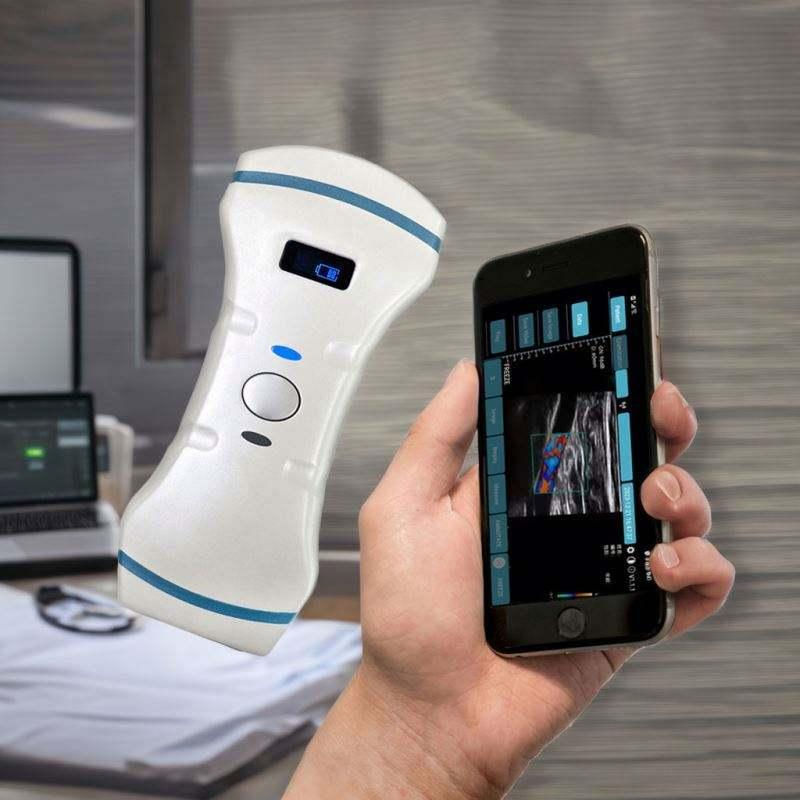
Handheld ultrasound devices are compact systems designed for maximum portability.
Depending on the device, the transducer may connect to a compatible mobile device or dedicated display.
Handheld systems can be useful for point-of-care examinations, assessments in different clinical environments, and situations where mobility is a priority.
However, healthcare providers should evaluate the imaging capabilities and clinical applications carefully before selecting a handheld system.
What Is an Ultrasound Machine Used For?
Ultrasound machines are used across many medical specialties.
The appropriate system and transducer depend on the examination being performed.
Obstetrics and Gynecology
Ultrasound is widely used in obstetric and gynecological imaging.
Applications can include evaluating pregnancy-related structures and monitoring fetal development, as well as examining pelvic anatomy.
Specialized transducers and imaging features may be used depending on the examination.
Cardiology
Ultrasound technology is also used extensively in cardiovascular imaging.
Echocardiography can provide information about the heart's structure and function.
Healthcare providers may evaluate areas such as:
Heart chambers
Heart valves
Cardiac motion
Blood flow
Overall cardiac function
A system intended for cardiac imaging may require specialized probes and software.
Abdominal Imaging
Ultrasound can be used to examine abdominal structures, including:
Liver
Gallbladder
Kidneys
Pancreas
Spleen
The appropriate transducer and system configuration depend on the examination and the patient's needs.
Vascular Imaging
Ultrasound can also be used to evaluate blood vessels and blood flow.
Doppler imaging can provide information about the movement of blood through vessels.
Vascular applications may require specialized transducers and imaging capabilities.
Musculoskeletal Imaging
Ultrasound can be used to examine certain muscles, tendons, ligaments, and joints.
Musculoskeletal ultrasound can provide real-time imaging and can be useful in evaluating soft-tissue structures.
Emergency and Point-of-Care Ultrasound
Point-of-care ultrasound, often referred to as POCUS, allows clinicians to perform ultrasound examinations close to the patient.
Portable and handheld systems can be particularly useful in these environments.
The portability of the equipment can make it easier to perform examinations in emergency departments, intensive care environments, patient rooms, and other areas where moving the patient to a dedicated imaging room may not be practical.
What Are the Benefits of Using an Ultrasound Machine?
Ultrasound has several characteristics that make it valuable in healthcare.
No Ionizing Radiation
Ultrasound uses sound waves rather than ionizing radiation.
This is one reason ultrasound is widely used in many clinical applications.
Real-Time Imaging
Ultrasound can provide images while the examination is taking place.
This allows clinicians to observe movement and certain dynamic processes.
Non-Invasive Imaging
Many ultrasound examinations can be performed externally using a transducer placed against the patient's skin.
Portability
Portable and handheld ultrasound systems can be used in a variety of clinical environments.
Versatility
A single ultrasound platform may support multiple applications when paired with the appropriate transducers and software.
Ultrasound Machine Cost: How Much Does an Ultrasound Machine Cost?
One of the most common questions healthcare providers ask when researching ultrasound equipment is:
How much does an ultrasound machine cost?
There is no single price that applies to every system.
Ultrasound machine cost can vary substantially depending on the system type, imaging capabilities, transducers, software, configuration, brand, condition, and intended application.
For example, a basic portable system and an advanced cart-based system designed for specialized imaging can have very different prices.
When comparing ultrasound machine price, healthcare providers should look beyond the initial equipment cost.
The total investment may also include:
Transducers
Imaging software
Accessories
Installation
Training
Warranty
Technical support
Service and maintenance
Optional upgrades
For this reason, requesting a detailed quotation based on your facility's requirements is often the best way to determine the actual cost.
What Factors Affect Ultrasound Machine Price?
Several factors can influence the price of an ultrasound system.
System Type
Cart-based, portable, and handheld systems have different configurations and capabilities.
Imaging Capabilities
Advanced imaging technologies and specialized applications can affect the overall cost of the system.
Transducers
Different examinations require different transducers.
A facility that needs multiple applications may need several probes, which can increase the overall equipment investment.
Software
Imaging software and specialized applications can affect system capabilities and pricing.
Display and Workstation
The size and capabilities of the display and workstation can vary between systems.
New or Refurbished Equipment
New equipment and refurbished equipment can have different upfront costs and purchasing considerations.
Service and Warranty
Warranty coverage, technical support, and service options should also be considered when comparing systems.
Portable Ultrasound Machine vs. Cart-Based System
Choosing between a portable ultrasound machine and a cart-based system depends on how your facility will use the equipment.
Feature | Portable Ultrasound | Cart-Based Ultrasound |
Mobility | High | Limited |
Space requirements | Lower | Higher |
Bedside use | Excellent | Possible |
Larger display | Varies | Typically available |
Advanced applications | Depends on system | Often broader |
Multiple clinical applications | Depends on configuration | Often strong |
Best suited for | Mobility and point-of-care use | Dedicated imaging environments |
A portable system may be a good choice for facilities that need flexibility and mobility.
A cart-based system may be more appropriate for facilities that have a dedicated imaging room and require a broader range of imaging capabilities.
How to Choose the Right Ultrasound Machine
Selecting an ultrasound machine should start with your clinical requirements rather than the equipment price alone.
1. Identify Your Main Applications
Determine what types of examinations your facility performs.
For example, do you primarily need the system for:
General imaging?
Obstetrics and gynecology?
Cardiology?
Vascular imaging?
Musculoskeletal imaging?
Emergency medicine?
Point-of-care applications?
Your primary applications will help determine which system and transducers you need.
2. Consider Portability
If the machine needs to move between rooms or departments, portability may be a major consideration.
A portable ultrasound machine can provide greater flexibility for facilities that perform bedside or point-of-care examinations.
3. Determine Which Transducers You Need
Different examinations require different probes.
Before purchasing, determine which transducers are required for your intended applications.
4. Evaluate the Imaging Workflow
Consider how the system will fit into your existing workflow.
A system that is easy for staff to operate and integrates well with your imaging environment can help support an efficient clinical workflow.
5. Consider Future Needs
Don't only evaluate what you need today.
Consider whether your facility may expand into additional ultrasound applications in the future.
A system that supports additional transducers, software, or applications may provide greater flexibility over its useful life.
6. Compare the Complete Package
When comparing ultrasound equipment, evaluate the complete package rather than comparing only the advertised machine price.
Look at:
Equipment
Transducers
Software
Accessories
Warranty
Training
Service
Technical support
New vs. Refurbished Ultrasound Equipment
Healthcare providers may have the option of purchasing either new or refurbished ultrasound equipment.
A refurbished ultrasound system may offer a different price point compared with a new system, but the equipment should be evaluated carefully.
Before purchasing refurbished ultrasound equipment, ask about:
Equipment condition
System age
Service history
Transducer condition
Warranty coverage
Software compatibility
Availability of replacement parts
Technical support
The goal should be to find equipment that provides appropriate clinical capabilities, reliability, and long-term value—not simply the lowest initial price.
What Should You Ask an Ultrasound Equipment Supplier?
Before purchasing an ultrasound machine, ask the supplier for detailed information about the system.
Important questions include:
What applications is the system designed for?
Make sure the equipment supports the examinations your facility performs.
Which transducers are included?
Determine whether the quoted price includes the probes you actually need.
What software is included?
Ask about the imaging software and any optional applications.
What warranty is provided?
Understand the duration and scope of warranty coverage.
Is training included?
Proper training can help staff use the system effectively.
What service and technical support are available?
Medical imaging equipment is a significant investment, so ongoing support can be an important consideration.
What is the total cost?
Ask for a complete quotation that identifies the equipment, accessories, software, services, and any additional costs.
How to Get the Best Value From an Ultrasound Machine
The best ultrasound system isn't necessarily the most expensive system.
Instead, healthcare providers should look for a system that matches their clinical requirements and provides the features they actually need.
A smaller clinic may not need the same configuration as a major hospital.
Similarly, a cardiology practice may require different capabilities from a general medical clinic.
Before purchasing, consider:
Clinical needs + workflow + system capabilities + portability + support + total cost
This approach can help healthcare providers make a more informed equipment decision.
Frequently Asked Questions About Ultrasound Machines
What is an ultrasound machine?
An ultrasound machine is a medical imaging system that uses high-frequency sound waves to create images of structures inside the body.
How does an ultrasound machine work?
A transducer sends sound waves into the body and receives returning echoes. The system processes these echoes and creates images that can be displayed in real time.
How much does an ultrasound machine cost?
Ultrasound machine cost varies depending on the type of system, imaging capabilities, transducers, software, configuration, and support. A customized quotation is the best way to determine the price for a specific clinical setup.
What is a portable ultrasound machine?
A portable ultrasound machine is designed to be moved more easily between rooms or locations. Portable systems can be useful for bedside examinations, point-of-care applications, clinics, and mobile healthcare environments.
What is the difference between a portable and cart-based ultrasound machine?
Portable systems prioritize mobility and flexibility, while cart-based systems generally provide a larger platform for dedicated imaging environments and may support a broader range of applications and configurations.
What affects ultrasound machine price?
Factors include system type, imaging capabilities, transducers, software, accessories, configuration, warranty, service, and technical support.
Is a portable ultrasound machine suitable for a clinic?
It can be, depending on the clinic's applications and imaging requirements. Clinics should evaluate the system's image quality, available transducers, software, portability, workflow, and support before purchasing.
Should I buy a new or refurbished ultrasound machine?
Both can be options depending on the facility's requirements and budget. When considering refurbished equipment, carefully evaluate its condition, service history, warranty, software compatibility, and available technical support.
Conclusion
An ultrasound machine can be a valuable addition to healthcare facilities across many specialties. From general imaging and obstetrics to cardiology, vascular imaging, musculoskeletal applications, and point-of-care examinations, ultrasound technology can support a wide range of clinical needs.
The right system depends on more than price. Healthcare providers should consider the intended applications, imaging capabilities, transducers, portability, workflow, software, service, warranty, and long-term needs of their facility.
Whether you're looking for a portable ultrasound machine, a cart-based system, or specialized ultrasound equipment, taking the time to compare complete system configurations can help you make a better purchasing decision.
Looking for ultrasound equipment for your healthcare facility? Contact Medna Medical Equipment to discuss your requirements and find a system that fits your clinical needs.


Comments